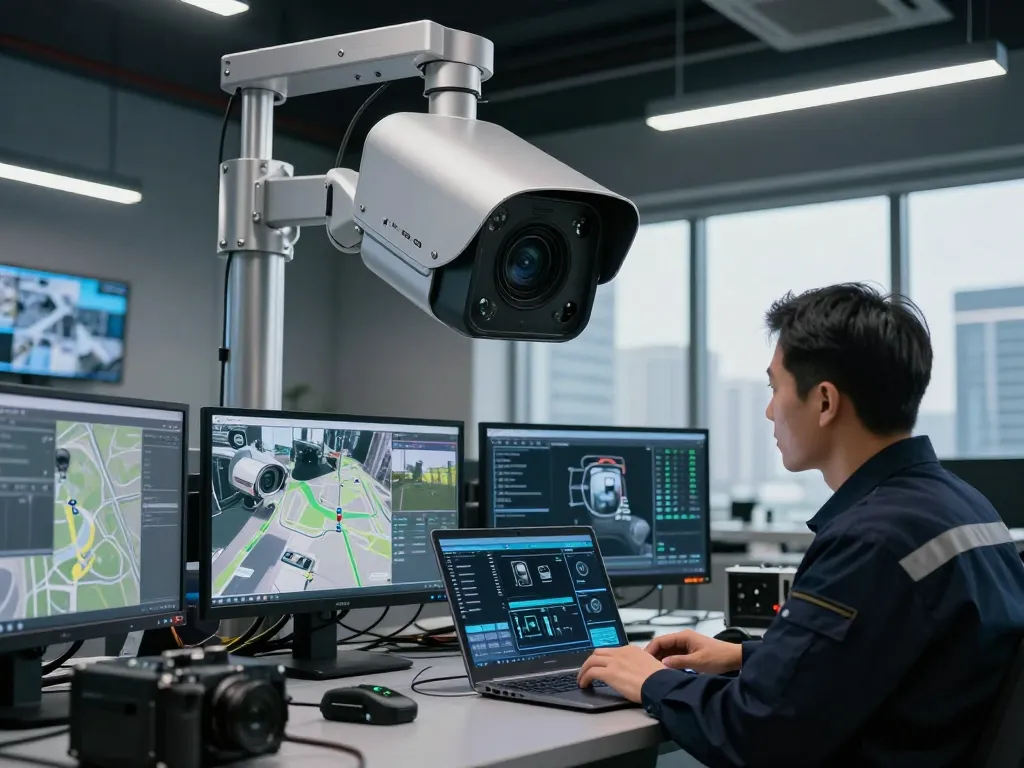
Understanding the HD4D Technology
The advent of advanced surveillance technology has revolutionized security solutions across various sectors. Among these innovations, the HD4D series of cameras stands out for its exceptional capabilities in monitoring environments both day and night. As we delve deeper into the nuances of HD4D technology, it becomes evident that its unique features contribute significantly to enhancing safety and security.
What is HD4D Technology?
HD4D technology refers to a specific series of high-definition surveillance cameras renowned for their true day/night functionality. These cameras are equipped with integrated imaging systems that allow them to transition from color to black-and-white images, depending on the available light. This adaptability ensures clear visibility in varying lighting conditions, making them ideal for both indoor and outdoor applications.
Core Features and Benefits of HD4D Cameras
- True Day/Night Capability: HD4D cameras utilize advanced image sensors and removable infrared cut filters that optimize performance in low light, ensuring that no crucial detail is missed, regardless of the time of day.
- High Resolution: With resolutions often exceeding traditional models, HD4D cameras capture images with remarkable clarity, which is essential for facial recognition and object identification.
- Durability: Designed to withstand harsh environmental conditions, these cameras often come with rugged housings, making them suitable for both residential and commercial settings.
- Integration-Friendly: HD4D technology allows for easy integration with existing security systems, enhancing the overall security infrastructure without extensive modifications.
Comparison with Other Surveillance Technologies
When compared to other surveillance technologies, the HD4D series excels in several key areas. For instance, while standard cameras may struggle in low-light conditions, HD4D's advanced features provide a marked advantage. Traditional analog systems often deliver lower resolution and lack the advanced analytics that come standard with HD4D systems. Moreover, the ease of integration of HD4D with existing infrastructures often outweighs the benefits of other contemporary surveillance solutions.
Choosing the Right HD4D Camera for Your Needs
Selecting the right HD4D camera involves understanding specific requirements and evaluating various aspects such as location, lighting, and security needs. With a variety of models available, it’s crucial to match the camera features with your specific surveillance goals.
Key Considerations for Home Surveillance
- Camera Placement: Determine the optimal locations for installation, focusing on entry points and areas that require constant monitoring.
- Lensing Options: Select between wide-angle or zoom lenses based on the coverage area and the level of detail needed.
- Additional Features: Look for models equipped with motion detection, remote viewing capabilities, and alarm integration to enhance home security.
Professional Security Solutions with HD4D
For businesses, the HD4D series provides robust security solutions that can scale with operational needs. Features like high-definition resolution, remote access, and advanced analytics make them suitable for retail environments, corporate buildings, and public spaces. Companies can leverage these technologies not only for loss prevention but also for optimizing operational efficiency through surveillance data.
Common Misconceptions About HD4D Cameras
Despite their advantages, several misconceptions linger around HD4D cameras. One common myth is that high-definition cameras require complex installation processes. In reality, many models are designed for user-friendly installation, often with intuitive guides and support. Another misconception is that more megapixels automatically equate to better quality; however, the effectiveness of a camera also heavily depends on sensor technology and lens quality.
Installation and Integration of HD4D Cameras
Proper installation and integration of HD4D cameras are crucial for maximizing their effectiveness. A systematic approach can significantly enhance user experience and overall security levels.
Step-by-Step Installation Guide
- Planning: Assess the environment and identify key surveillance areas.
- Mounting: Securely mount the camera using brackets that come with the device, ensuring optimal angles for monitoring.
- Cabling: Run necessary cabling (power and data) and connect to the central recording or viewing system.
- Configuration: Configure camera settings to adjust for light conditions, motion detection, and recording preferences.
- Testing: Test the setup to ensure everything functions as intended, making adjustments based on the initial observations.
How to Integrate HD4D Cameras into Existing Systems
Integrating new HD4D cameras into an existing security system can enhance surveillance capabilities without starting from scratch. This integration typically involves connecting the cameras to a compatible digital video recorder (DVR) or network video recorder (NVR). As surveillance technology advances, many existing systems are designed to support newer HD formats, allowing for seamless upgrades.
Best Practices for Optimal Performance
- Regular Maintenance: Schedule periodic checks to ensure all cameras are functioning correctly and that lenses are clean.
- Software Updates: Keep the camera firmware updated to benefit from the latest features and security patches.
- Data Storage Management: Establish a protocol for data storage, ensuring that recordings are archived and accessible while maintaining compliance with privacy regulations.
Real-World Applications of HD4D Technology
The applications of HD4D technology are vast and varied, providing essential enhancements to security measures in both public and private sectors.
Case Studies in Home and Business Security
Numerous case studies exemplify the practical applications of HD4D cameras. For instance, a retail store utilizing HD4D technology experienced a 30% reduction in theft after integrating these advanced surveillance systems. Similarly, a residential neighborhood saw improvements in safety after installing HD4D cameras at common entry points, allowing residents to monitor their surroundings more effectively.
Innovative Uses in Public Surveillance
Public spaces have greatly benefited from HD4D technology, particularly in areas that require constant monitoring such as parks, streets, and transportation hubs. These cameras can aid in crime deterrence and assist law enforcement in real-time visibility and data collection during incidents.
Impact on Emergency Response and Safety
Emergency response teams can leverage HD4D surveillance data to assess situations quickly, leading to more efficient deployment of resources. The high-quality images provided by these cameras can assist in identifying suspects or documenting incidents, thus enhancing overall public safety and response effectiveness.
The Future of HD4D Technology
As technology continues to advance, the future for HD4D cameras looks promising. Innovations in artificial intelligence (AI) and machine learning are set to redefine their capabilities in the coming years.
Emerging Trends for 2026 and Beyond
- AI Integration: The incorporation of AI will lead to smarter surveillance systems capable of distinguishing between human activity, animals, and inanimate objects, reducing false alarms.
- Enhanced Analytics: Advanced data analytics will provide actionable insights, helping users make informed decisions based on surveillance data.
- Increased Automation: Automation features will allow cameras to operate independently, adapting surveillance strategies in real time based on detected events.
Impact of AI and Machine Learning on Security
The integration of AI and machine learning into HD4D technologies will enhance the predictive capabilities of surveillance systems. These technologies will not only improve image recognition but also facilitate proactive security measures before incidents occur.
Expert Predictions for the Security Industry
Experts predict that by 2026, surveillance technology will see a shift towards more adaptive, intelligent systems that can autonomously manage security operations. This evolution will provide users with enhanced security while minimizing the need for constant human oversight, thus optimizing resources.
What are the main advantages of HD4D surveillance cameras?
HD4D surveillance cameras offer several advantages, including superior image quality, versatility in various lighting conditions, and robust integration capabilities with existing security systems.
How do I choose the best HD4D camera for my needs?
Choosing the best HD4D camera requires assessing your specific surveillance needs, considering factors such as location, camera features, and budget.
What should I consider during HD4D camera installation?
During installation, consider optimal placement for maximum coverage, connectivity requirements, and any environmental challenges that could affect camera performance.
Can HD4D cameras integrate with other security systems?
Yes, HD4D cameras are designed to easily integrate with many existing security frameworks, enhancing overall surveillance efficacy without major overhauls.
What future advancements can we expect in HD4D technology?
Future advancements in HD4D technology are likely to include greater integration of AI, enhanced analytics features, and improved automation for security operations.