

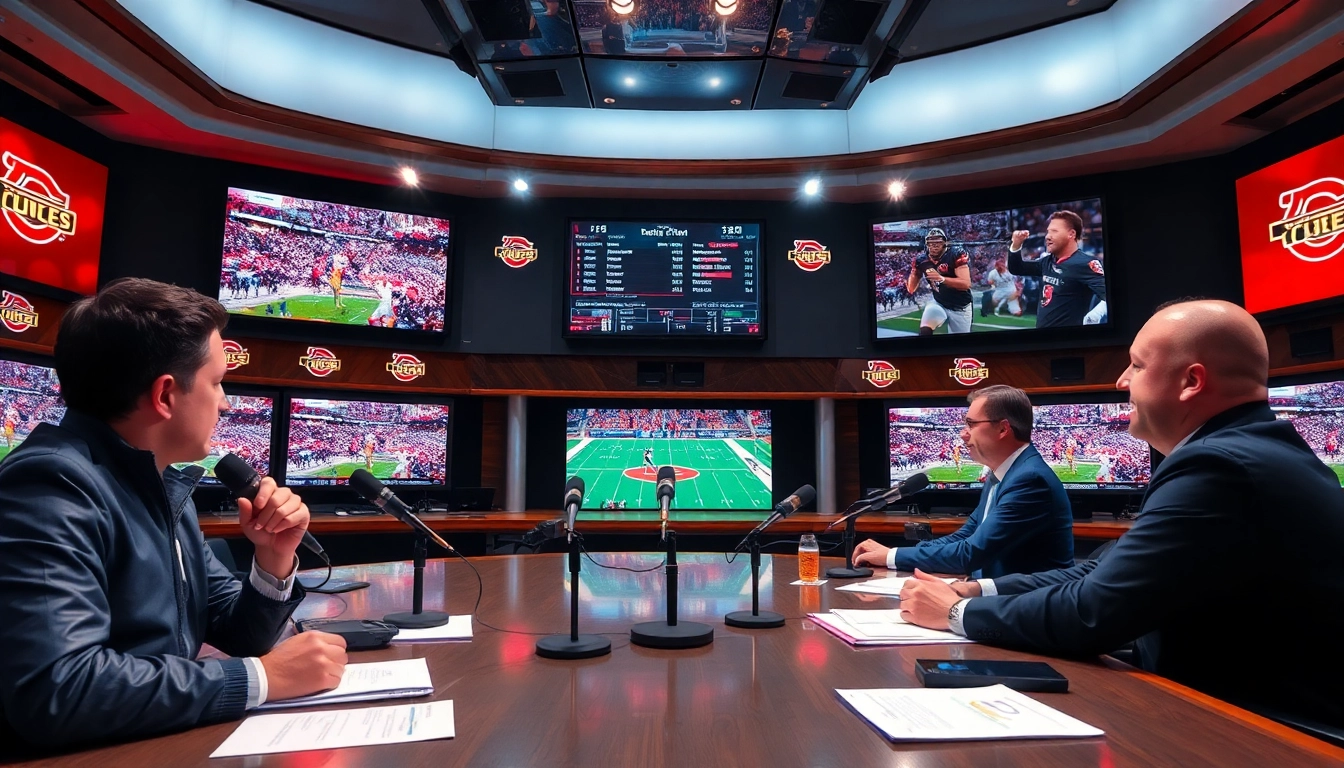
Understanding the Fundamentals of Sports Broadcasting
What is Sports Broadcasting?
Sports broadcasting encompasses the distribution of sports events through various media platforms, including television, radio, and online streaming. This process not only involves the live coverage of games but also integrates pre-game and post-game analysis, commentary, and sports news. Effective sports broadcasting conveys emotions, excitement, and the narrative of the event, connecting fans to their favorite teams. In today’s digital age, sports broadcasting is evolving, utilizing technology to reach broader audiences. For those interested in exploring the nuances of Sports Broadcasting, understanding its fundamentals is essential.
Key Components of Effective Sports Broadcasting
Effective sports broadcasting hinges on key components that create an engaging experience for the audience. These components include:
- Commentary: Engaging commentary by knowledgeable sports analysts helps to provide context surrounding the game, enhancing the viewer’s understanding.
- Visual Elements: High-quality visuals, including camera angles, slow-motion replays, and graphics, support the storytelling aspect of sports broadcasting.
- Live Interaction: Real-time interaction with fans through social media or dedicated apps can enhance viewer engagement, creating a community around the broadcast.
- Pre- and Post-Game Coverage: Analysis and discussions before and after the event help set the stage and recap the performances, adding depth to the viewing experience.
Importance of Audience Engagement in Sports Broadcasting
Audience engagement is paramount in sports broadcasting, as it builds loyalty and encourages viewership. Engaging the audience goes beyond mere visuals and commentary; it involves understanding their interests and preferences. Interactive elements, such as polls, fan contests, and live social media discussions, create a more immersive experience. Engaged fans are more likely to share content and recommend broadcasts to others, ultimately enhancing the reach of sports broadcasting endeavors.
Technology’s Role in Sports Broadcasting
Innovative Tools for Enhanced Broadcasting Experience
The evolution of technology has significantly shaped the landscape of sports broadcasting. Today, several innovative tools enhance the viewer experience:
- Virtual Reality (VR): VR technology allows fans to immerse themselves in the sports environment, offering a unique vantage point that enhances the viewing experience.
- Augmented Reality (AR): AR overlays real-time statistics and player information on the screen, providing viewers with additional context and insights.
- High-Definition Streaming: Advances in streaming technology allow for high-quality broadcasts that reach viewers on various devices seamlessly.
- Automated Commentary: Artificial intelligence is being explored for generating preliminary analyses and commentary, streamlining broadcast processes.
How Streaming Changed the Landscape of Sports Broadcasting
Streaming has revolutionized sports broadcasting, catering to the modern viewer’s preferences. This shift allows for flexibility in viewing, as fans can watch games on mobile devices or computers at their convenience. Additionally, streaming platforms often create exclusive content, like behind-the-scenes footage and interviews, which traditional broadcasters may not offer. The ability to watch on-demand highlights has also transformed how audiences consume sports, prioritizing convenience and accessibility.
Leveraging Social Media in Sports Broadcasting
Social media plays an essential role in sports broadcasting by acting as a conduit between fans and their favorite sports. Platforms like Twitter, Instagram, and TikTok allow broadcasters to create engaging content, share live updates, and interact with viewers in real-time. By sharing highlights, memes, or fan reactions, broadcasters can enhance their brand presence and foster community. Additionally, social media analytics provide valuable insights into audience preferences, guiding content strategies for maximum engagement.
Content Strategies for Sports Broadcasting Success
Creating Compelling Sports Narratives
Compelling narratives lie at the heart of successful sports broadcasting. Storytelling goes beyond the game itself, weaving in the personal backgrounds, struggles, and triumphs of athletes. The ability to humanize players and create relatable stories fosters a connection with the audience and helps them invest emotionally in the events unfolding on-screen. Leveraging character arcs, rivalries, and underdog stories can dramatically enhance viewer engagement.
Incorporating Live Analysis and Commentary
Live analysis and commentary are critical components of sports broadcasting that provide fans with real-time insights. Expert analysts dissect plays, anticipate strategies, and provide contextual information that elevates the viewing experience. Effective broadcasters balance statistical analysis with storytelling, ensuring that both die-hard fans and casual viewers can appreciate the depth of insight provided. Using graphics and data visualizations during analysis can further clarify complex information, making it digestible for the audience.
Best Practices for Visual Storytelling in Sports Broadcasting
Visual storytelling is an integral part of sports broadcasting. Through strategic camera placements, dynamic angles, and quality editing, broadcasters can enhance the drama and excitement of the event. Incorporating elements like player interviews during game highlights creates a more human connection. Utilizing split screens for simultaneous action can capture critical moments, ensuring the audience feels part of the experience. Consistent branding and a clear visual identity also contribute to a memorable broadcast.
Measuring Success in Sports Broadcasting
Key Metrics for Evaluating Audience Engagement
Measuring success in sports broadcasting requires analyzing audience engagement metrics. Key performance indicators (KPIs) include:
- Viewership Numbers: Tracking how many viewers tune in during live broadcasts provides a clear indication of reach.
- Engagement Rates: Assessing likes, shares, comments, and interactions on social media helps gauge audience feedback and sentiment.
- Viewer Retention: Analyzing drop-off rates during broadcasts reveals at which points viewers lose interest, guiding future content strategies.
- Demographics: Understanding the age, gender, and location of the audience helps tailor content to meet viewer expectations.
Analyzing Viewer Feedback and Ratings
Viewer feedback is a rich resource for improving sports broadcasts. Conducting surveys and monitoring comments allow broadcasters to gather insights on what resonates with their audience. Ratings from television networks signal overall satisfaction with broadcasts. By analyzing trends in viewer feedback, broadcasters can refine their content strategy, enabling them to meet the evolving needs of their audience and drive future viewership.
The Role of Data Analytics in Sports Broadcasting
Data analytics plays a crucial role in sports broadcasting, enabling stakeholders to make informed decisions. By leveraging performance data, broadcasters can identify popular segments, gauge audience sentiment, and determine optimal times for airing specific content. Furthermore, understanding data-driven insights can streamline production processes, improve advertising strategies, and ultimately enhance the viewer experience. Embracing data analytics becomes imperative for any broadcaster aiming to thrive in a competitive landscape.
Future Trends in Sports Broadcasting
Emerging Technologies Shaping Sports Broadcasting
As technology continues to advance, sports broadcasting is poised for further evolution. Emerging technologies include:
- Artificial Intelligence: AI will increasingly be used for content curation, automated commentary, and enhancing personalization in broadcasting.
- 5G Connectivity: The rollout of 5G networks will allow for higher-quality streaming, interactive broadcasting, and smoother experiences for viewers accessing content on mobile devices.
- Blockchain: In the future, blockchain may facilitate secure and transparent broadcasting rights and enable unique fan experiences through tokenization.
Challenges and Opportunities Ahead
While opportunities abound in the realm of sports broadcasting, challenges exist too. Increasing competition from streaming services pushes traditional broadcasters to innovate continually. Additionally, evolving audience preferences call for greater adaptability in content delivery. Broadcasters must balance profitability with providing value to their audiences. By embracing change, leveraging new technologies, and focusing on engagement, broadcasters can navigate these challenges and capitalize on opportunities for growth.
Preparing for the Future of Sports Broadcasting
Preparing for the future of sports broadcasting requires embracing a proactive mindset. This entails investing in technology to improve the viewing experience, creating engaging narratives, and fostering strong connections with audiences. Training staff on the latest industry trends and technologies ensures that teams remain agile. As the landscape evolves, broadcasters must remain flexible and innovative, positioning themselves to adapt to emerging trends and maintain viewer interest in a competitive market.
Frequently Asked Questions
What are the main types of sports broadcasting?
Sports broadcasting primarily includes television, radio, and online streaming. Each format caters to different viewer preferences and technologies.
How has streaming affected live sports viewing?
Streaming has provided viewers with flexibility, allowing them to watch games on multiple devices anytime. It has also introduced exclusive content that traditional broadcasts may not offer.
What role does social media play in sports broadcasting?
Social media enhances viewer engagement by allowing real-time interactions, sharing highlights, and fostering community around sports events.
Why is audience engagement critical in sports broadcasting?
Audience engagement helps build loyalty and encourages viewers to share content. Engaged fans are more likely to watch future broadcasts and interact with programming.
What are the future trends in sports broadcasting?
Emerging trends include the use of artificial intelligence, expanded 5G connectivity, and the potential integration of blockchain technology in broadcasting rights and fan engagement.